
This guide helps retailers, shooters, and brand owners identify a mission-ready red dot sight — and avoid optics that fail under recoil or poor weather conditions.
📈 Why Red Dot Sights Dominate Modern Shooting
Red dots became the standard because they solve real shooting problems:
- ⚡ Rapid target acquisition with both eyes open
- 🎯 Clear aiming point for close and mid-range shots
- 👀 Increased situational awareness
- 🧱 Works across rifles, PCCs, and shotguns
- 🌦 Reliable performance in various lighting conditions
- 🛠 Strong OEM/ODM flexibility for custom branding
Insight 💡
The right red dot sight should feel “invisible” — the dot appears naturally when you mount the firearm.
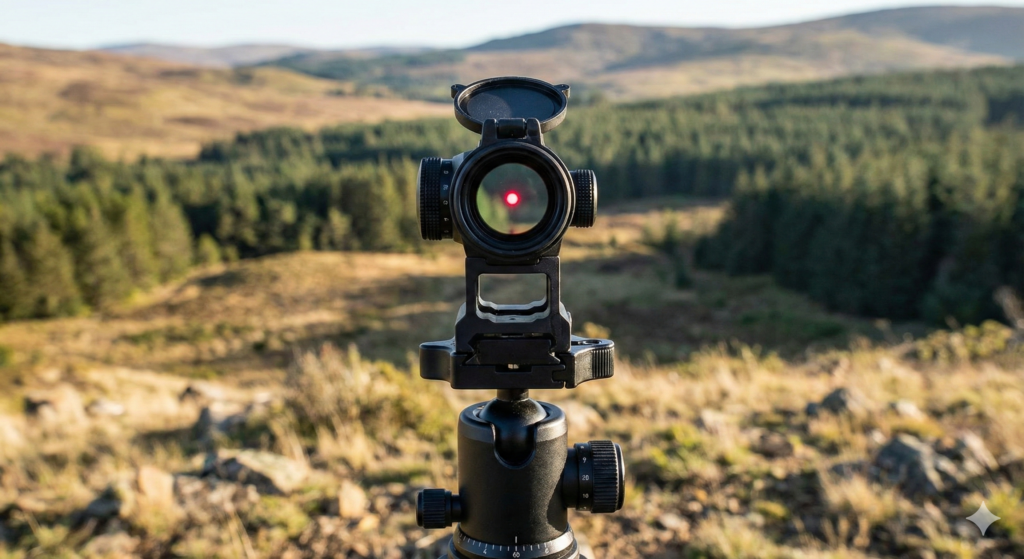
For more optic options, see our full Red Dot Sights collection:https://aksight.com/red-dot-sights/
🔍 Common Traps When Choosing a Red Dot Sight
Many optics look similar online. These common issues help you spot sub-par designs early.
🌫️ Problem 1: Poor Glass Quality
Marketing often hides real optical flaws.
Red flags:
- ❌ Heavy blue/green tint
- ❌ Dot starburst even at medium brightness
- ❌ Distortion near the lens edges
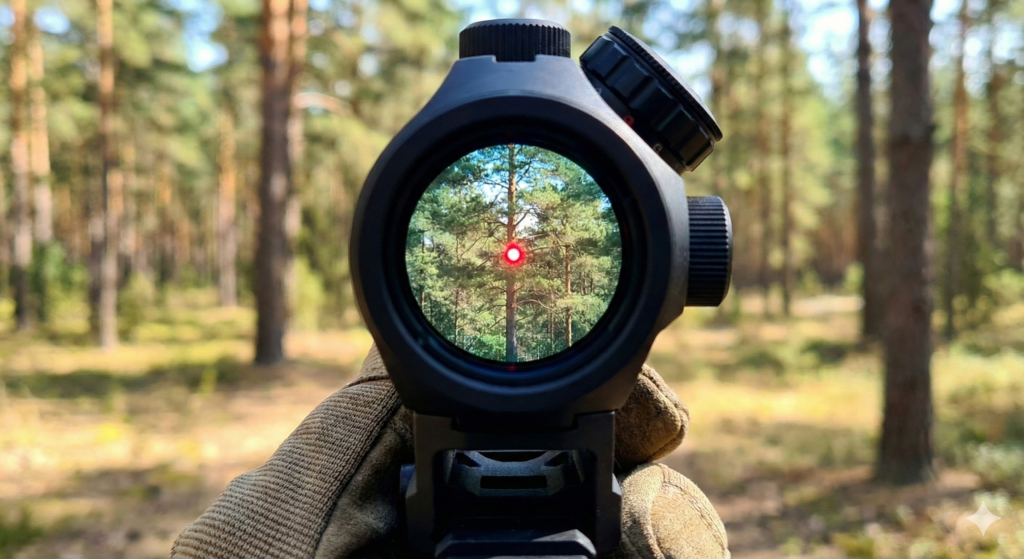
First-Person View Clear Optical Glass and Crisp Red Dot
📦 Problem 2: Weak or Incompatible Mounts
A great optic on a bad mount will still fail.
- ⚙ Soft screws or inconsistent torque
- 📐 Wrong height for natural head position
- 🔁 Zero shift after reinstalling
⭐ Problem 3: Expecting One Optic to Do Everything
Different missions require different optic strengths.
- 🏃 Competition → wide window, fast dot
- 🌲 Hunting → strong sealing, low-light clarity
- 🏠 Defense → rugged build, simple controls
🧱 Types of Red Dot Sights
🏜️ Open Window Red Dots
Lightweight, fast, and extremely popular for competition and range use.
- ✅ Very quick sight acquisition
- ✅ Slim, lightweight profile
- ⚠ Less protection from debris
🏔️ Closed-Tube Red Dots
Fully sealed designs preferred for harsh environments.
- ✅ Strong weather sealing
- ✅ Durable housing
- ⚠ Slightly heavier
🔍 Micro Red Dots
Compact footprints ideal for lightweight carbines.
- ✅ Minimal weight
- ✅ Flexible mounting options
- ⚠ Smaller window
📐 1x Prism Optics
Etched reticle for shooters with astigmatism.
- ✅ Crisp aiming point
- ✅ Reticle works without illumination
- ⚠ More critical eye position
🛠️ How to Choose the Right Red Dot Sight
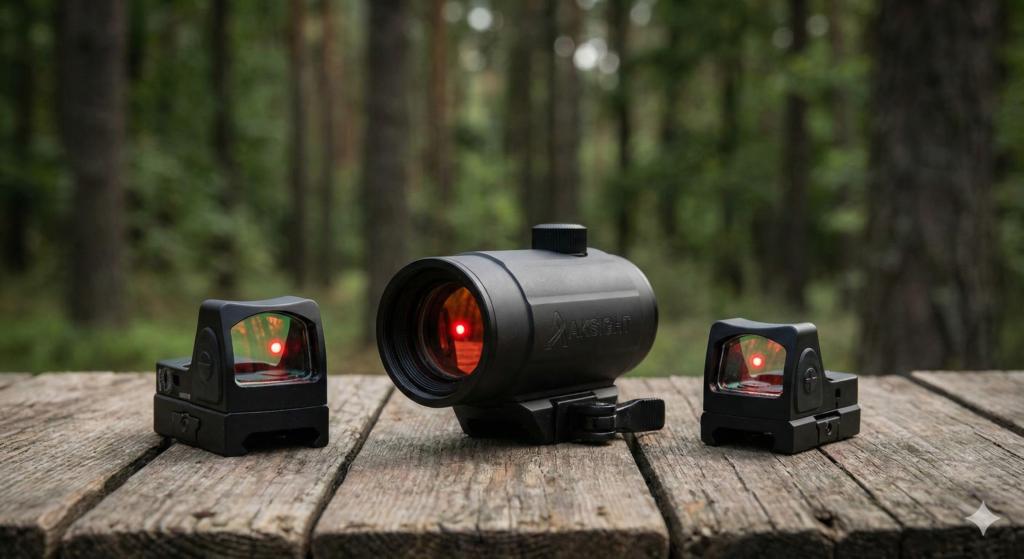
🎯 Step 1: Select the Correct MOA Dot Size
- 1–2 MOA → precision, longer distances
- 3–4 MOA → general-purpose use
- 5–6 MOA → fast CQB shooting
💡 Step 2: Evaluate Brightness Range
- ✅ Daylight-bright settings
- ✅ Low settings for indoor or dusk use
- ⚠ Controls must be glove-friendly
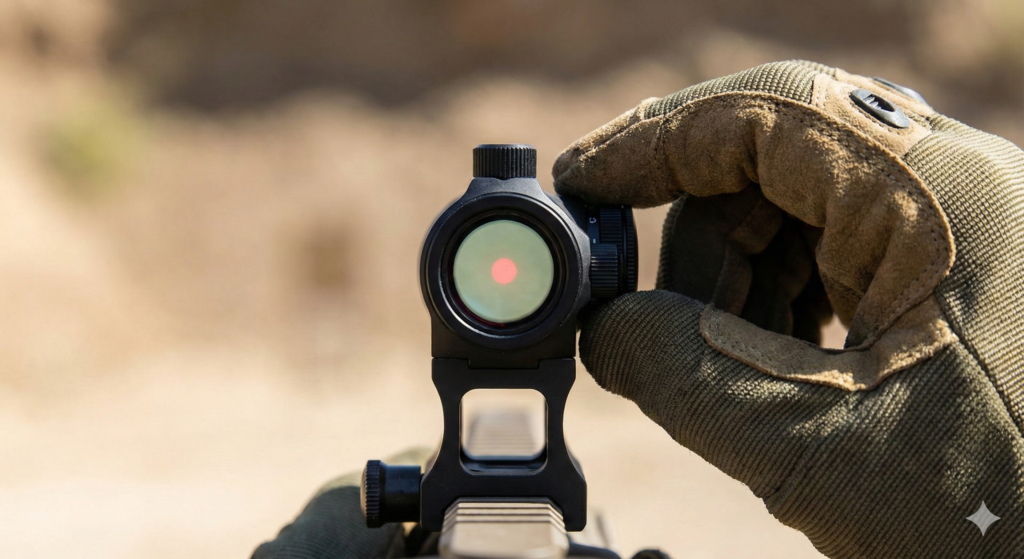
Evaluating Brightness Settings with Tactical Gloves
🪟 Step 3: Check Window Size & Clarity
- Minimal tint = better low-light accuracy
- Dot should remain crisp around edges
- Housing should not obstruct vision
🧱 Step 4: Verify Durability & Environmental Sealing
- Shock-tested to withstand recoil
- IP-rated sealing preferred
- Positive, repeatable turret clicks
📐 Step 5: Choose the Right Mount
- Absolute / lower mounts for shotguns
- Higher mounts for upright CQB stances
- Quality mount = better zero retention
📊 Step 6: Confirm Zero Retention
- Test recoil cycles
- Re-mount and check shift
- Ensure consistent turret tracking
📊 Red Dot Sight Comparison
| Type | Best Use | Strengths | Limitations |
|---|---|---|---|
| Open Window | Competition, range | Lightweight, fast | Less environmental protection |
| Closed-Tube | Tactical, hunting | Durable, sealed | Heavier |
| Micro Red Dot | Lightweight carbines | Compact, versatile | Small window |
| 1x Prism | Astigmatic shooters | Crisp etched reticle | More critical head position |
⭐ Final Thoughts – How to Confidently Choose the Right Red Dot Sight
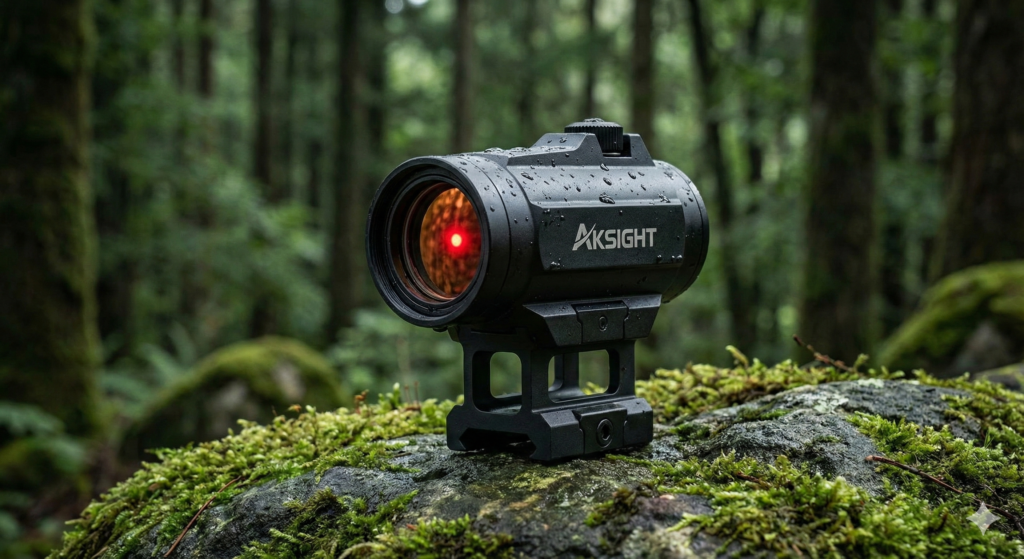
You can simplify the process by matching dot size, housing type, durability, and brightness to your mission. A well-selected red dot sight improves speed, accuracy, and confidence across training, competition, hunting, and defense.
Industry groups like the National Shooting Sports Foundation also note how red dot optics improve target acquisition:https://www.nssf.org
For brands and distributors, AKSIGHT offers OEM/ODM customization, IP-rated housings, shock-tested builds, low MOQs, and fast lead times — making it easier to bring a mission-ready red dot sight to market.